
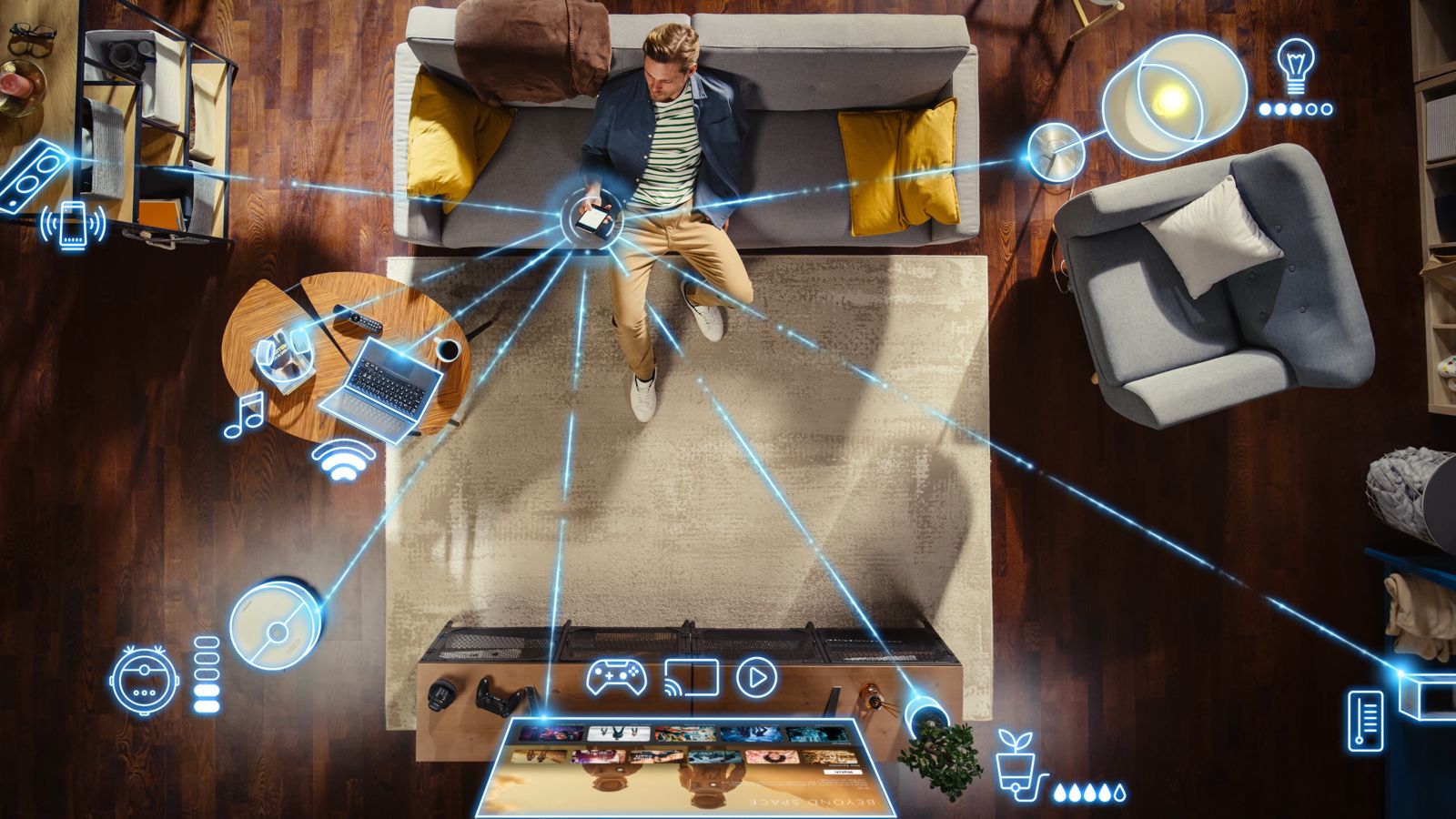
Your coffee maker started brewing five minutes before your alarm went off this morning. Nobody programmed it to do that. It figured out your schedule after watching your routine for three weeks. Machines aren’t waiting for instructions anymore. They’re making choices, solving problems, and running entire operations while humans sleep. This shift from dumb tools to thinking partners happened so gradually that most people missed it.
The Brain Inside the Box
Your smart thermostat can do more than just stick to a schedule. It monitors door activity, tracks room usage, and learns your temperature preferences. In a month, it learns your life better than neighbors. Tuesday night yoga class? The house stays cool until 8:30. Unexpected day off? It figures that out by lunchtime when movement patterns break routine.
Security cameras got scary smart. They know the difference between your drunk neighbor stumbling home and an actual intruder. The mailman walking up your driveway doesn’t trigger alerts anymore. But someone checking door handles at 3 AM sends your phone into panic mode. These cameras remember faces, study behavior, and make judgment calls that would have required a human security guard five years ago.
Each decision these machines make feeds back into their programming. Not programming exactly; more like experience. They mess up sometimes. Your thermostat might crank the heat during your vacation because it thinks you’re homesick. But mistakes teach them, too. Next vacation, it’ll know better.
Machines That Shop for Themselves
Office printers started this whole autonomous shopping thing. Running low on cyan? The printer orders more without asking anyone. Some offices haven’t manually ordered supplies in years. The machines handle everything, including comparison shopping between suppliers.
Factory equipment plays this game at expert level. A drilling machine notices its drill bits wearing down faster than usual. Maybe the metal stock got harder. Maybe alignment shifted slightly. It doesn’t matter. The machine orders replacements with expedited shipping to arrive before failure occurs. It also schedules a technician to investigate the accelerated wear. All without human intervention.
The Retail Revolution
Walk into any major store and you’re surrounded by machines making thousands of tiny decisions. Connected retail devices create networks of artificial intelligence that manage everything from climate control to customer flow, with companies like Blues IoT supplying the wireless backbone that keeps these systems talking to each other across multiple locations and time zones.
Price tags change themselves now. When rain is expected, umbrellas become more expensive. An hour before closing, ice cream prices are lowered in order to clear out inventory. The system monitors weather predictions and competitor pricing. It monitors inventory to boost sales and profits.
Customer service got weird too. Robots cruise the aisles, but they’re not randomly wandering. They study shoppers. Someone comparing fifty different shampoo bottles gets approached. Someone grabbing milk and rushing toward checkout gets ignored. The robot decides who needs help based on footage from overhead cameras tracking shopping behavior.
Lighting systems turned into artists. They paint different moods throughout the day. Morning shoppers get bright, energetic lighting. Evening browsers experience warmer, relaxed tones. The frozen food section stays brilliant white while the wine section glows amber. Nobody flips switches anymore. The lights decide for themselves based on traffic patterns, sales data, and psychological research about color temperature.
Conclusion
Machines stopped being tools and became partners. They’re imperfect partners who occasionally order the wrong items or misread situations. But they’re learning faster than any human could. Tomorrow’s devices will make today’s smart machines look like pocket calculators. The revolution isn’t coming. It’s here, humming quietly in every store, office, and home, making millions of decisions while we argue about whether machines can really think.